Think Your Vision Is Fine? Why You Still Need Regular Eye Exams
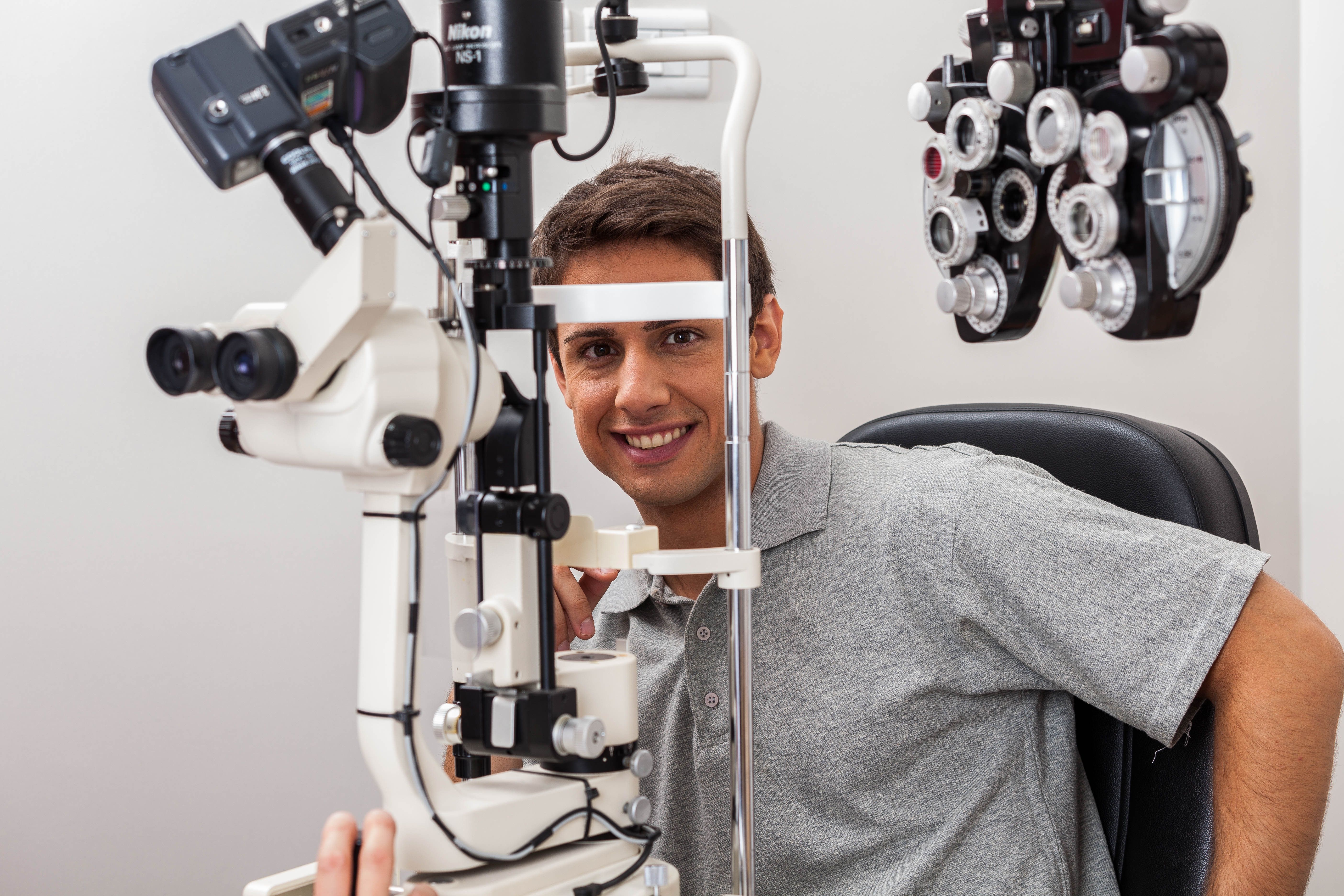
If you can read road signs clearly, work comfortably on your computer, and don’t struggle with everyday tasks, it’s easy to assume your eyes are perfectly healthy. Many people only schedule an eye exam when something feels noticeably wrong.
However, clear vision does not always mean healthy eyes. Many people assume their vision is “just fine,” only to learn later that certain eye conditions can develop silently without noticeable symptoms - which is why proactive care matters. Regular comprehensive eye exams are about protecting your long-term eye health, not just updating your glasses or contact lens prescription.
Many Eye Diseases Develop Silently
Some of the most serious eye conditions progress gradually and without pain. In the early stages, you may not notice any changes in how you see.
Conditions such as glaucoma, macular degeneration, diabetic retinopathy, and cataracts can develop without clear warning signs. By the time symptoms become noticeable, permanent vision loss may have already occurred. Routine comprehensive exams allow your optometrist to detect these issues early, when treatment is most effective.
Your Eyes Can Reveal Underlying Health Conditions
A comprehensive eye exam does more than assess vision clarity. Because your optometrist can directly examine blood vessels and nerves inside the eye, exams can reveal early signs of systemic conditions such as:
- High blood pressure
- Diabetes
- High cholesterol
In some cases, patients first learn about a broader health concern during a routine eye exam. Early detection can lead to faster treatment and better long-term outcomes.
Small Vision Changes Are Easy to Miss
Vision changes often happen gradually. You may not immediately realize that you are:
- Experiencing more frequent headaches
- Squinting while reading or driving
- Feeling eye strain after screen time
- Struggling more with night vision
Your brain adapts remarkably well to minor changes, which can make problems less noticeable. An updated prescription or early intervention can significantly improve comfort and clarity.
Screen Time Is Increasing Eye Strain
Digital devices are a constant part of daily life. Extended screen use can contribute to dryness, fatigue, blurred vision, and discomfort. Regular eye exams ensure your prescription supports your lifestyle and allow your eye doctor to recommend solutions to reduce digital eye strain and protect your eyes.
How Often Should You Schedule an Eye Exam?
According to the American Optometric Association, adults ages 18 to 60 who are not experiencing vision problems should have an eye exam every two years.
After age 61, a comprehensive eye exam is recommended annually, or as advised by your eye doctor.
If you have existing eye conditions, diabetes, high blood pressure, or a family history of eye disease, your optometrist may recommend more frequent visits to monitor your eye health closely.
Don’t Wait for Symptoms
It is a common misconception that you only need an eye exam when your vision changes. In reality, preventive care plays a critical role in preserving lifelong sight. Detecting problems early often means simpler treatment, better outcomes, and a lower risk of permanent damage.
Regular eye exams are an essential part of maintaining both your visual clarity and your overall health.
Prioritize Your Vision Today
Even if your vision feels perfectly fine, underlying issues could be developing without your knowledge. Routine comprehensive eye exams help detect eye disease early, monitor subtle vision changes, and identify signs of broader health conditions.
Long Lake Eye is opening in Spring 2026, and we’re excited to serve Long Lake, Minnesota. Join our waitlist to receive updates and priority scheduling when appointments open.
Quick Links
Helpful Articles
article_category: products
article_category: psychiatry
article_category: faqs
article_category: cats
article_category: general
article_category: services
article_category: technology
article_category: dogs
article_category: restorative
article_category: vision therapy
article_category: contact lenses
article_category: health
article_category: conditions
article_category: eye surgery co-management
article_category: exotic
article_category: cosmetic
article_category: surgical procedures
article_category: aesthetics
article_category: preventative
article_category: ocular disease management
article_category: eyeglasses
article_category: eye health
article_category: large animal
[]
article_category: psychiatry
article_category: faqs
article_category: cats
article_category: general
article_category: services
article_category: technology
article_category: dogs
article_category: restorative
article_category: vision therapy
article_category: contact lenses
article_category: health
article_category: conditions
article_category: eye surgery co-management
article_category: exotic
article_category: cosmetic
article_category: surgical procedures
article_category: aesthetics
article_category: preventative
article_category: ocular disease management
article_category: eyeglasses
article_category: eye health
article_category: large animal
[]
Flowbite is an open-source library of interactive components built on top of Tailwind CSS including buttons, dropdowns, modals, navbars, and more.
Check out this guide to learn how to get started and start developing websites even faster with components on top of Tailwind CSS.
All Eye Care Services
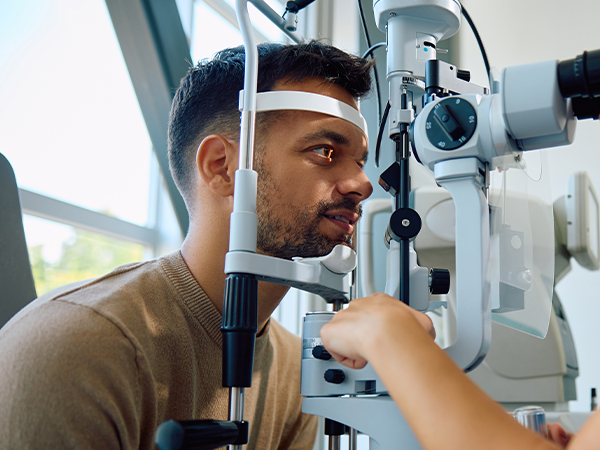
Find personalized eye care excellence with our comprehensive services. From eye exams to advanced diagnostics, trust us for all your vision needs.

Keep In Touch
For non-urgent questions or to learn more about our services, contact us today!
Quick Links
Contact Info
- 1916 Wayzata Blvd. Suite 2
Long Lake, MN 55356 Phone: (612) 315-0448 - Fax: (612) 315-0499
Hours of Operation
- Monday 8:00 am - 5:00 pm*
- Tuesday 8:00 am - 5:00 pm*
- Wednesday 8:00 am - 5:00 pm*
- Thursday 8:00 am - 6:00 pm*
- Friday 8:00 am - 4:00 pm*
- Saturday Closed
- Sunday Closed *Closed 12:00pm-1:00pm for lunch
- Monday
- Tuesday
- Wednesday
- Thursday
- Friday
- Saturday
- Sunday
- Monday
- Tuesday
- Wednesday
- Thursday
- Friday
- Saturday
- Sunday
© 2026 Long Lake Eye. All rights Reserved - Accessibility Statement - Privacy Policy - Sitemap
Managed and Designed by 