How Can Myopia Management Help Protect Your Child’s Future Vision?
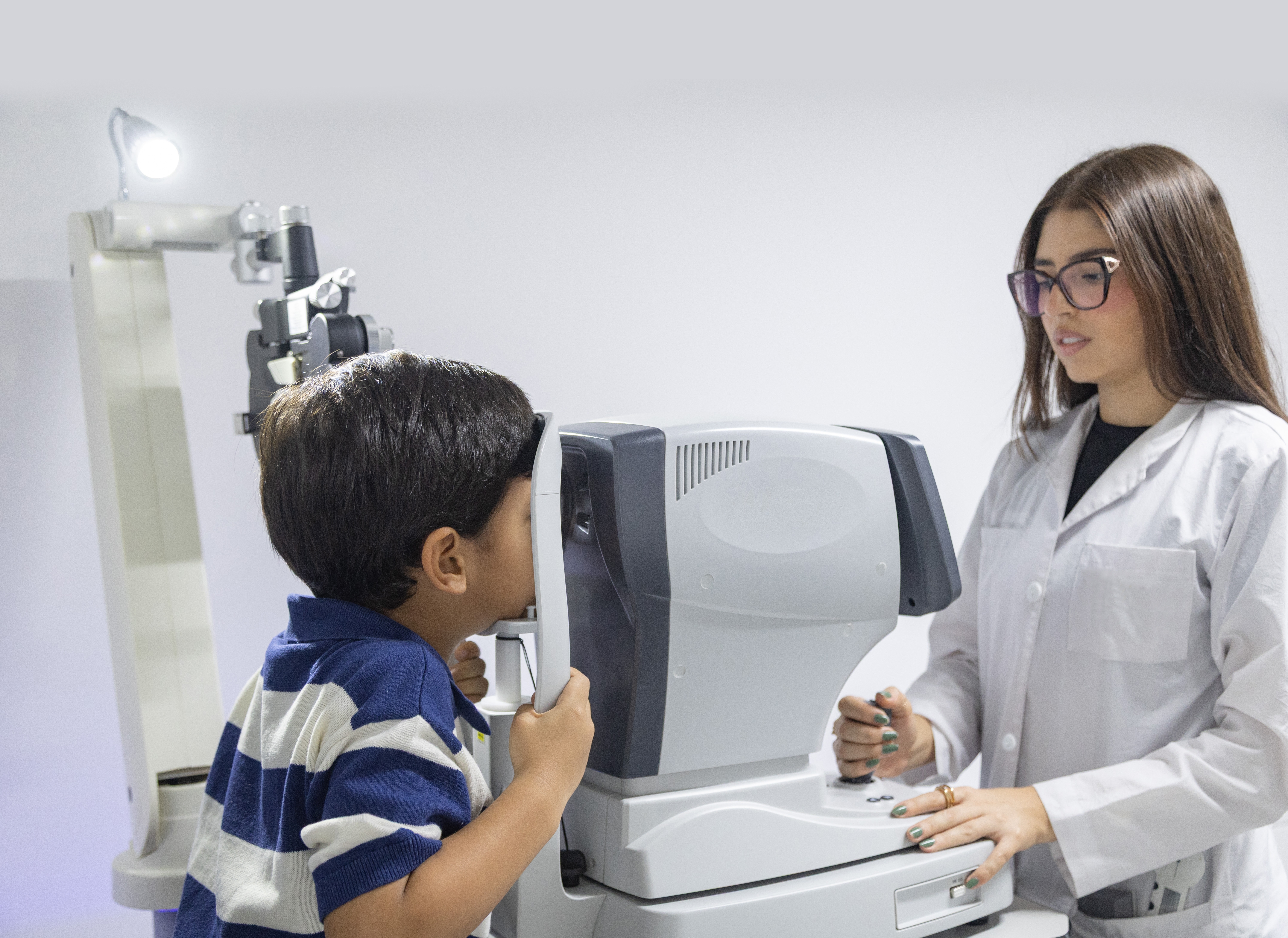
When your child needs stronger glasses year after year, it may seem like a normal part of growing up. However, increasing nearsightedness can affect more than their ability to see the classroom board. Myopia management focuses on slowing that progression during childhood, when the eyes are still developing. At Long Lake Eye, we help families in Long Lake, MN, understand their options and plan care around each child's needs.
Why Childhood Myopia Deserves Attention
Myopia, also called nearsightedness, makes distant objects look blurry while nearby objects remain easier to see. It often develops during the school years as the eye grows longer than expected. Without intervention, a child's prescription may continue to change as they grow.
Higher levels of myopia are associated with increased lifetime risks of conditions such as retinal detachment, glaucoma, and myopic macular degeneration. Managing progression early may help reduce those risks, although no treatment can eliminate them entirely.
How Does Myopia Management Work?
Regular glasses and standard contact lenses correct blurry distance vision, but they do not generally slow eye growth. Myopia management uses specific treatments designed to reduce how quickly nearsightedness progresses.
Depending on your child's age, prescription, eye health, and daily routine, we may discuss options such as:
- MiSight 1 day Contact Lenses: Daily disposable soft lenses designed to correct vision while slowing myopia progression in eligible children.
- Orthokeratology (Ortho-K): Specially fitted lenses worn overnight to temporarily reshape the cornea, allowing clearer vision during the day without glasses or contacts.
- Low-Dose Atropine Drops: Nightly prescription drops that may help slow progression. Their use for myopia control is off-label in the United States.
- Soft Multifocal Contact Lenses: Certain lens designs can help reduce myopia progression while providing vision correction.
Each approach has different requirements, benefits, and follow-up needs. We help parents understand what may be appropriate rather than assuming one option fits every child.
Why Is Early Treatment Important?
Myopia often progresses most rapidly in younger children. Starting management while the prescription is still relatively low may provide more opportunity to limit how much it increases over time.
Parents should watch for frequent squinting, sitting close to screens, difficulty seeing across a room, or complaints about blurry distance vision. Still, some children do not realize their eyesight has changed. Routine pediatric eye exams are important even when they are not reporting symptoms.
What Happens During a Myopia Management Evaluation?
During an evaluation, we review your child's vision history, measure their prescription, assess eye health, and discuss any recent changes. We also consider age, family history, and lifestyle when recommending a treatment plan.
Follow-up visits allow us to assess how well the chosen approach is working and adjust care when needed. Myopia management is an ongoing process, not a one-time correction.
Healthy Habits That Support Children's Vision
Encouraging outdoor play and regular breaks from prolonged near work can support healthy visual habits. These steps do not replace treatment when myopia is progressing, but they can complement a personalized plan.
If your child's nearsightedness is increasing, schedule a myopia management evaluation with Long Lake Eye in Long Lake, MN, by calling (612) 315-0448.
Quick Links
Helpful Articles
All Eye Care Services
Find personalized eye care excellence with our comprehensive services. From eye exams to advanced diagnostics, trust us for all your vision needs.

Keep In Touch
For non-urgent questions or to learn more about our services, contact us today!
Quick Links
Contact Info
- 1916 Wayzata Blvd. Suite 2
Long Lake, MN 55356 Phone: (612) 315-0448 - Fax: (612) 315-0499
Hours of Operation
- Monday 8:00 am - 5:00 pm*
- Tuesday 8:00 am - 5:00 pm*
- Wednesday 8:00 am - 5:00 pm*
- Thursday 8:00 am - 6:00 pm*
- Friday 8:00 am - 4:00 pm*
- Saturday Closed
- Sunday Closed *Closed 12:00pm-1:00pm for lunch
- Monday
- Tuesday
- Wednesday
- Thursday
- Friday
- Saturday
- Sunday
- Monday
- Tuesday
- Wednesday
- Thursday
- Friday
- Saturday
- Sunday
© 2026 Long Lake Eye. All rights Reserved - Accessibility Statement - Privacy Policy - Sitemap
Managed and Designed by 